
Business Email Communication
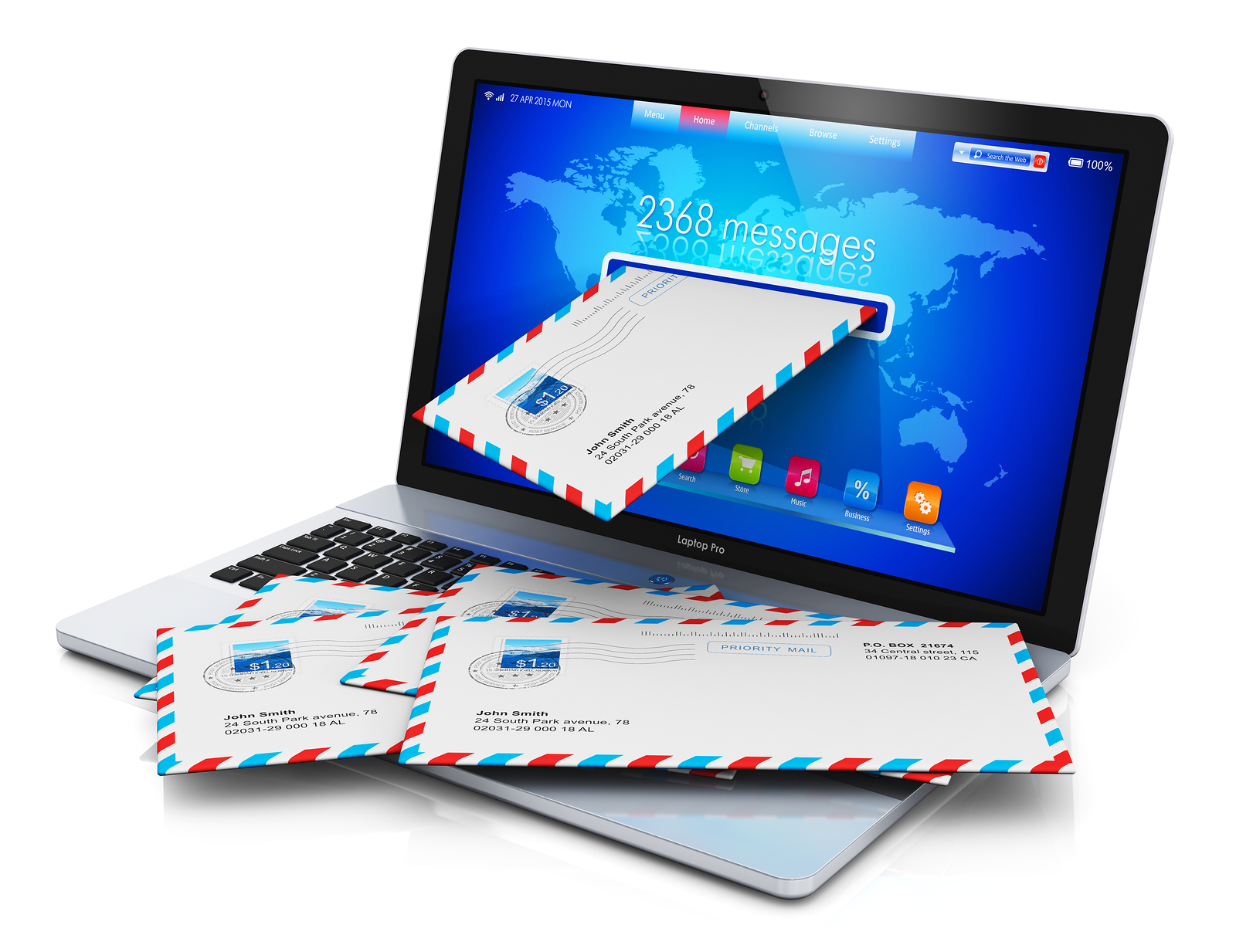
Technology will continue to advance at an exponential rate and everyday business communication will establish technology and mainly email as the major form of communication. While the current generation prefers to communicate in a language of text messaging with its own acronyms, symbols and slang, it is imperative for them to understand that while this is acceptable when socializing with friends, it is not acceptable in business.
The task facing companies is to train their employees how to communicate professionally whether communicating face-to-face, by phone, text message or e-mail. Issues that arise often stem from the fact that many people do not understand that business communication is totally different from social text messaging, and lack the formal training in how to compose an email and what is the appropriate form of communication for different situations. Another factor is younger and older generations have different expectations and preferences in communication.
Advancing With Style can offer your employees a seminar or webinar on E-mail Etiquette and business communication.
Email Etiquette Training
How to compose
Misinterpreting the tone
Signatures
Attachments
Flaming
Abbreviations and slang
Proofreading and spell checking
5 things before you press send
7 rules for text messaging
Selecting the right form of communication
Your e-mail impression
Correct usage of Cc and Bcc
The dangerous Reply to all
The 4 rules when replying
Acceptable salutations and closings
Formal vs. informal e-mail
Creating an informative subject line
Available as a lunch & learn, webinar or seminar
“Pat Stonehouse went the extra mile to tailor her presentation to my client base. The seminar was thorough, professional, engaging and informative. All of our objectives were met and I was 100% satisfied.”